
Telecommunications
Networks built, faults cleared.
Network engineering, field installation, NOC operations, fibre and outside plant, RF and structured cabling. A build programme, a shift rota, or the engineer who owns the core.
- 6 functions
- from core engineering and the NOC through field, fibre, RF and cabling
- Certification verified
- vendor certifications and safety qualifications checked before mobilisation
- Build or run
- programme crews for a rollout, or permanent staff for the network you keep
Telecommunications
Build teams and run teams are different hires.
We staff carriers, ISPs, MSOs, tower and infrastructure companies and enterprise network teams: engineering, field and installation, network operations, fibre and outside plant, RF and wireless, and structured cabling.
The most useful distinction in telecom staffing is build against run. A splicer on a rollout and a NOC engineer holding an SLA are both essential and almost never the same person.
Both are certification led and safety led. Vendor certifications, tower and height qualifications and driving records decide who can mobilise, and we check them before anybody is scheduled.
Functions
What we actually recruit for.
Pick one and you get what they actually produce, the seniority we fill, and the tools and standards a screen has to cover.

Routing and switching design, changes, migrations and the maintenance window that has to finish before six.
- Seniority we fill
- Network engineer through to network architect
- Tools
- CiscoJuniperAristaBGP and OSPFMPLSSD-WAN
- Standards
- Change managementConfiguration standardsMaintenance window discipline
Routing and switching design, changes, migrations and the maintenance window that has to finish before six.
- Seniority we fill
- Network engineer through to network architect
- Tools
- CiscoJuniperAristaBGP and OSPFMPLSSD-WAN
- Standards
- Change managementConfiguration standardsMaintenance window discipline

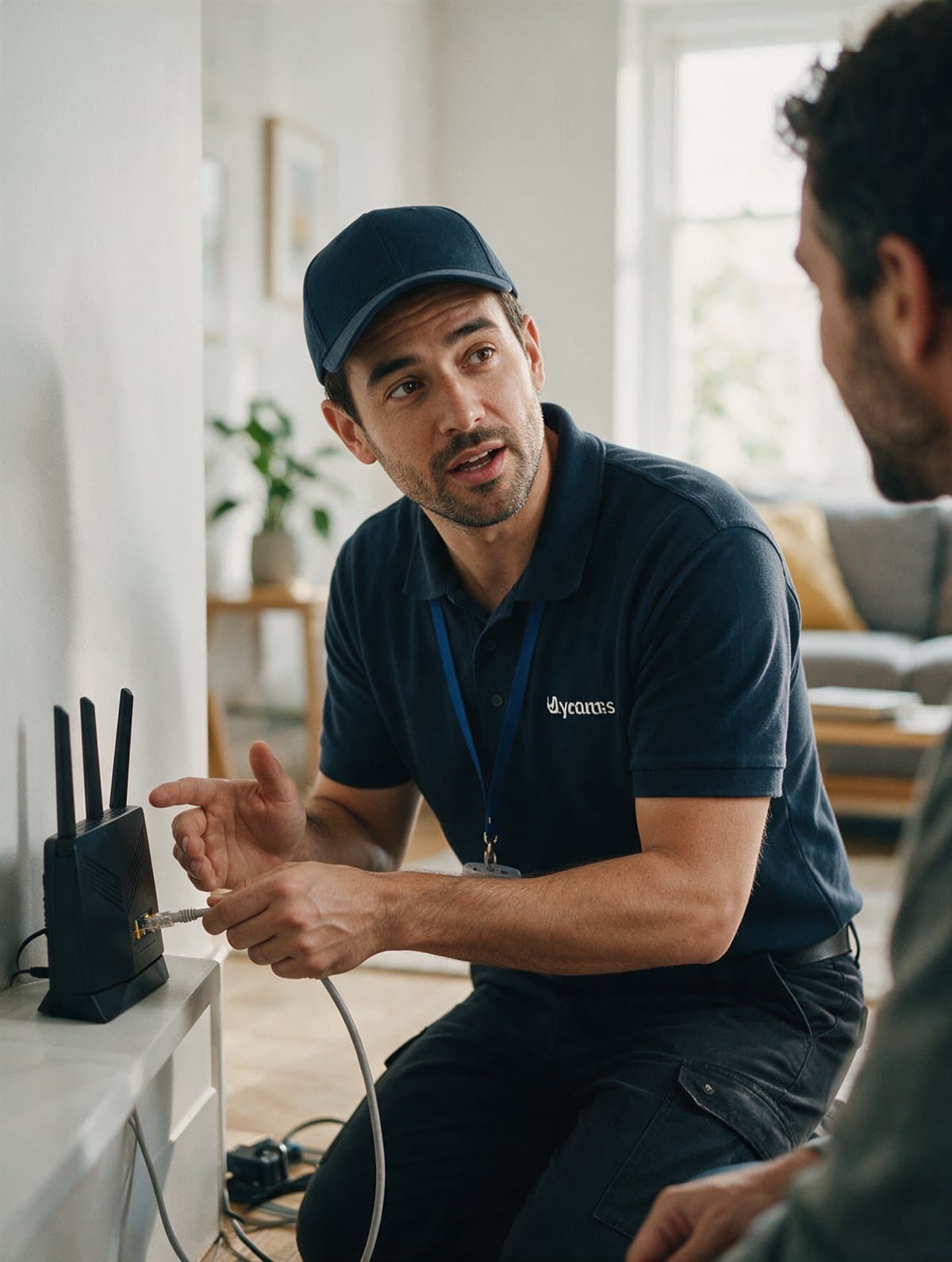

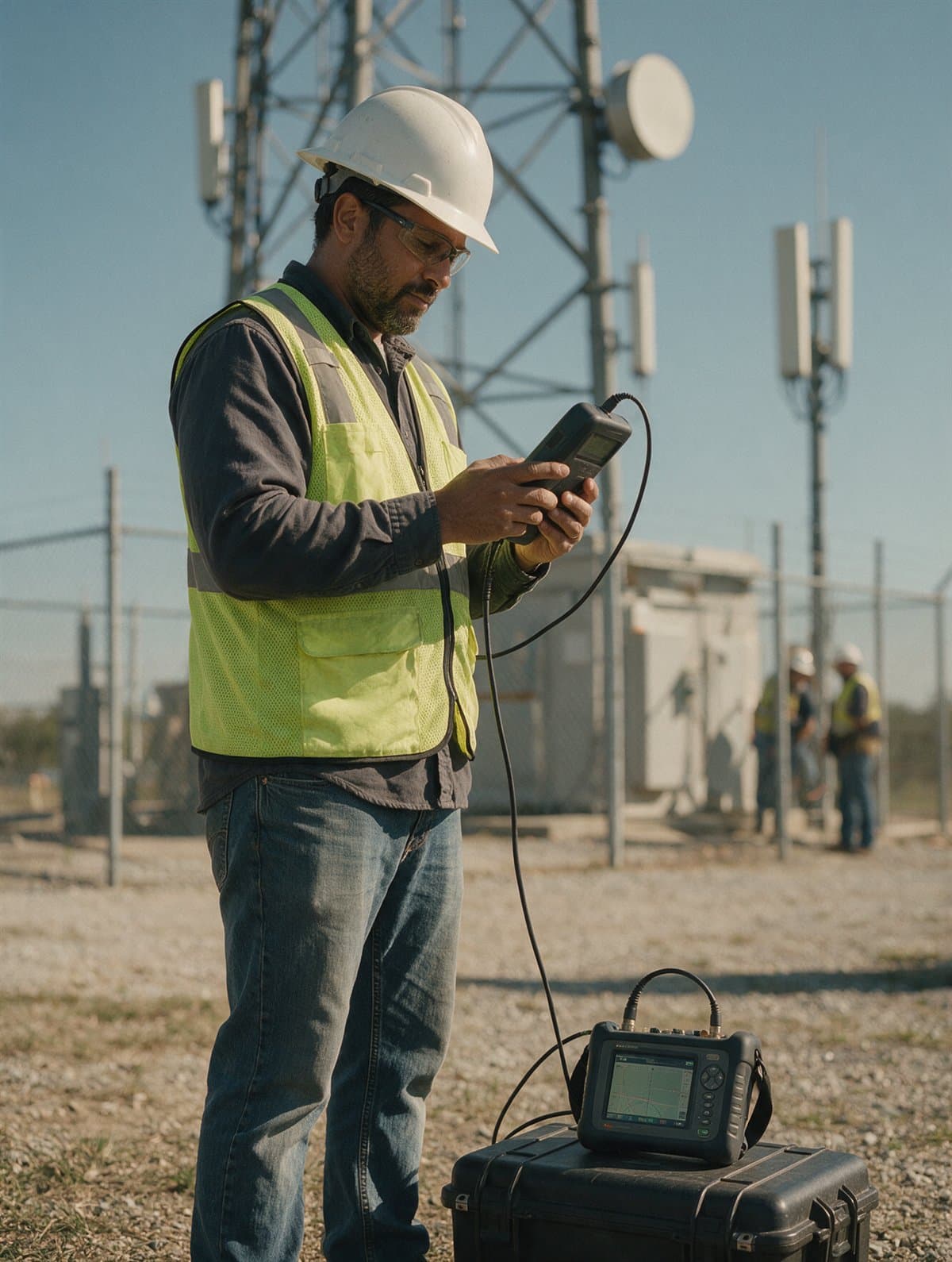
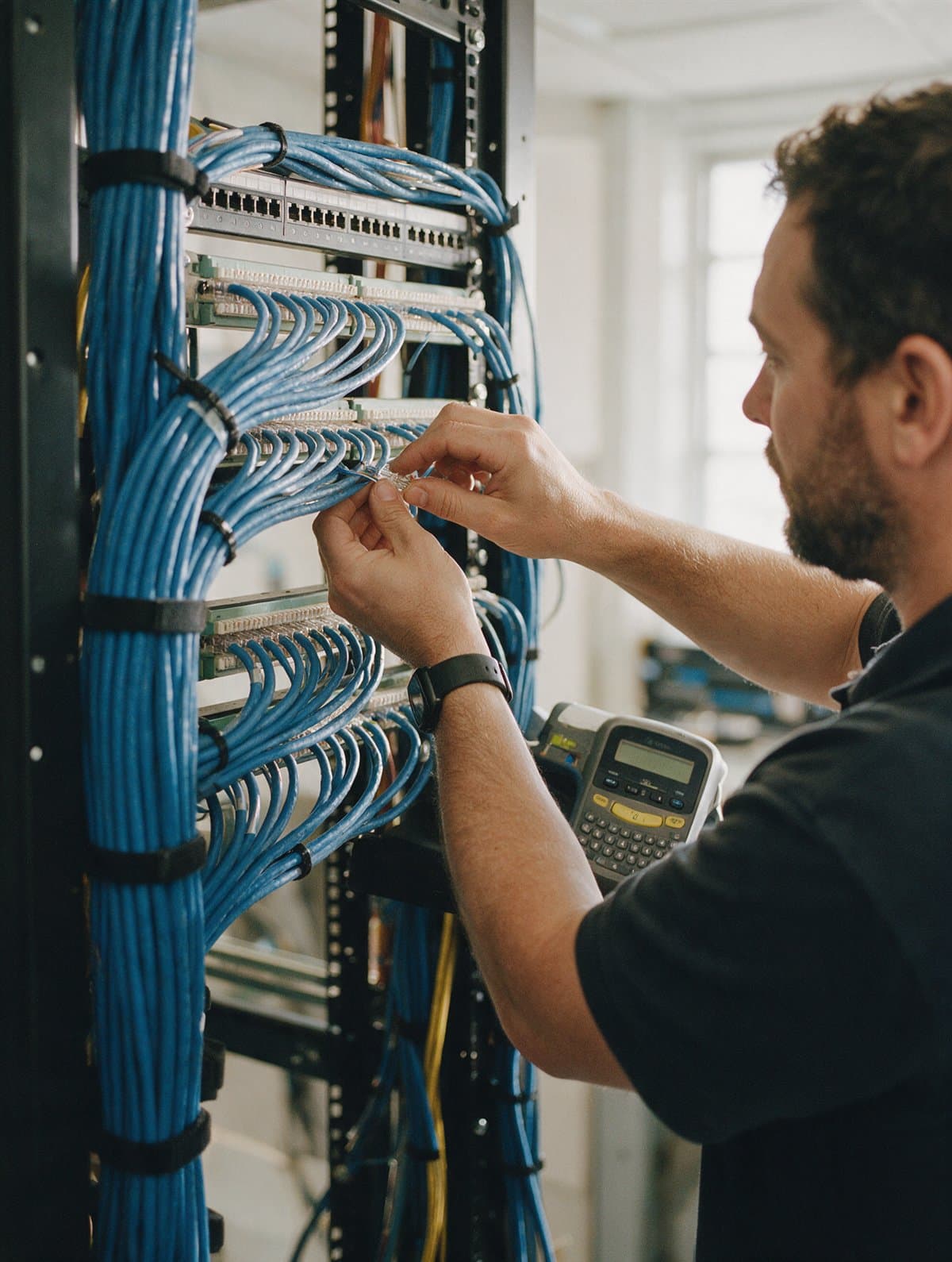
The vocabulary
What we verify and recruit against.
Certification and safety qualification decide who can be scheduled. Both are checked before anyone is put on a job.
Network platforms
- Cisco
- Juniper
- Arista
- Nokia
- Ciena
- SD-WAN platforms
Protocols and technologies
- BGP
- OSPF
- MPLS
- DWDM
- PON and GPON
- 5G and LTE
Field tooling
- Fusion splicer
- OTDR
- Sweep and PIM testers
- Certification testers
Certifications we verify
- CCNA and CCNP
- JNCIA
- BICSI
- Tower climbing and rescue
- OSHA 10 and 30
- Driving record
Build or run is the first question in telecom hiring. Answer it wrongly and you will hire a very good person for the wrong job.
Screening
How we screen telecom staff.
The first question is always build or run, because it changes everything that follows: the certification, the schedule, the pay structure and the kind of person who lasts.
- 01
Build or run, established first
A rollout crew and a NOC rota need different people. Getting this wrong produces technically strong candidates who leave within a quarter.
- 02
Plant and platform confirmed
Which vendors, which technologies, aerial or underground, PON or point to point. Specifics narrow the shortlist usefully.
- 03
Certification and safety verified
Vendor certifications, tower and rescue qualifications, OSHA cards and the driving record, before anybody is scheduled.
- 04
Schedule reality
On call rotations, storm response, overnight maintenance windows and travel. Said plainly, because these are what people actually leave over.
- 05
A reference from a supervisor
Someone who can speak to quality of work and to how they behaved at four in the morning during a restoration.
Straight answer
Where the market is actually tight.
What our recruiters see running these searches. Experience rather than a guarantee.
| Role | What the market looks like | Realistic shortlist |
|---|---|---|
| NOC technicians | Available, though night rotations narrow the field. | One to two weeks |
| Structured cabling | Available, and scalable for a building programme. | About a week |
| Installation technicians | Steady. Driving record and clean background gate more starts than skill does. | One to two weeks |
| Network engineers | Competitive. Genuine BGP and MPLS depth is scarcer than certifications imply. | Three to four weeks |
| Fibre splicers | Tight nearly everywhere, and rollout programmes compete for the same people. | Four to six weeks |
| Tower climbers and RF technicians | The hardest telecom hire we run. Certification, medical and safety requirements shrink the pool sharply. | Six weeks and up |
Rollout programmes bid for the same regional crews at the same time. Staffing plans that start when the award lands are already competing from behind.
Shapes
Three shapes this usually takes.
Telecom demand is either a programme with an end date or a rota that never ends.
Programme crews
Field and fibre crews against a build schedule.
- When it fits
- A fibre rollout, a site upgrade programme, a cabling project, a migration.
- The arrangement
- Contract for the programme, mobilised with certifications verified in advance.
Rota cover
Keeping a NOC or field rota staffed.
- When it fits
- On call rotations, night shifts, storm response, leave cover.
- The arrangement
- Contract or contract-to-hire, with schedule tolerance confirmed first.
The permanent hire
The engineers who own the network.
- When it fits
- Network engineers and architects, NOC leads, RF engineers.
- The arrangement
- Direct hire, or contract-to-hire where on call tolerance needs proving.
Before you call
What to have ready before you call.
Build or run, and the certification list. Everything else follows from those two.
- Build or run, and the end date if there is one
- Vendors and technologies, including aerial or underground for outside plant
- Certifications and safety qualifications the work requires
- On call rotation, overnight windows and storm response expectations
- Travel percentage, per diem and whether a vehicle is provided
- The rate, benchmarked regionally, because crews follow programmes
Open roles
A sample of telecommunications roles we fill.
Questions
Before you call.
Yes, and the planning matters more than the sourcing. Rollout programmes in a region compete for the same crews at the same time, so a staffing plan that starts when the award lands is already behind.
Crewing a build?
Tell us build or run, the plant and the certifications. We will tell you where the regional crews actually are.