
Retail
Staff the floor before the rush.
Associates, keyholders, visual merchandisers, stock crews and store management. Seasonal crews, a new store opening, or the manager a location is built around.
- 6 functions
- from the shop floor and stockroom through merchandising and store leadership
- Season ready
- crews recruited and inducted in groups against your opening date
- Availability screened
- evenings, weekends and holiday blackout confirmed before you meet anyone
Retail
Retail hiring is an availability problem.
We staff shop floor, stockroom, merchandising, e-commerce fulfilment and store leadership, for single sites, chains and seasonal operations.
Almost every failed retail placement traces back to hours. Somebody said they were flexible, nobody asked about Saturdays, and the rota broke in week two.
So availability is screened first and in writing: evenings, weekends, holiday periods and the blackout dates that matter most to you. Then we talk about experience.
Functions
What we actually recruit for.
Pick one and you get what they actually produce, the seniority we fill, and the tools and standards a screen has to cover.

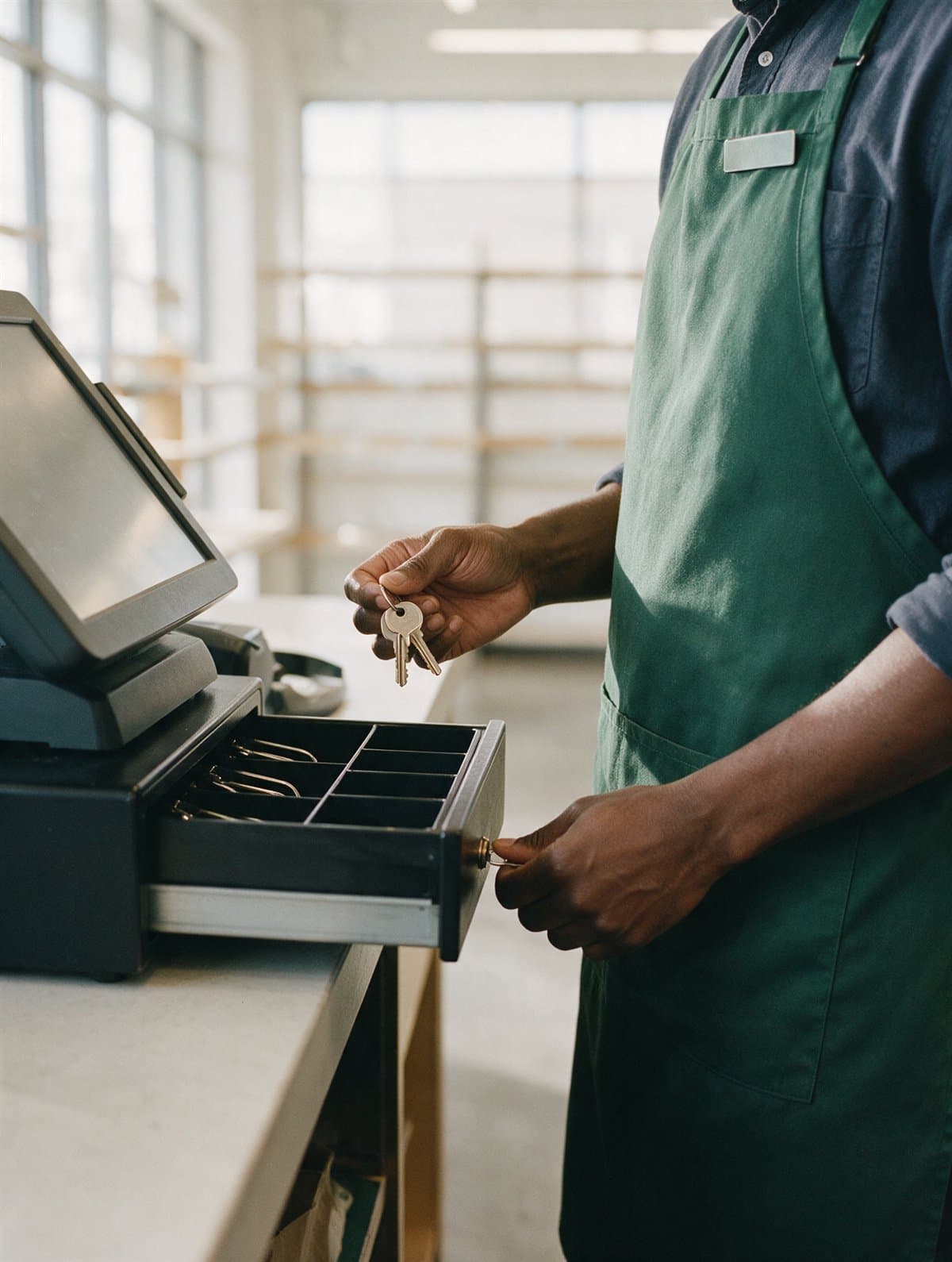
Serving customers, fitting rooms, tills, recovery and the small conversations that decide whether somebody comes back.
- Seniority we fill
- Seasonal associate through to experienced sales associate
- Tools
- POS systemsHandheld devicesClienteling apps
- Standards
- Service standardsCash handlingLoss prevention basics
Serving customers, fitting rooms, tills, recovery and the small conversations that decide whether somebody comes back.
- Seniority we fill
- Seasonal associate through to experienced sales associate
- Tools
- POS systemsHandheld devicesClienteling apps
- Standards
- Service standardsCash handlingLoss prevention basics




The vocabulary
What we recruit against.
Retail systems are quick to learn and availability is not negotiable, so we screen the second harder than the first.
Store systems
- POS platforms
- Handheld and RF devices
- Order management
- Clienteling apps
Workforce
- Scheduling platforms
- Time and attendance
- Labour reporting
Standards
- Loss prevention
- Cash handling
- Health and safety
- Planogram compliance
Checks we run
- Availability in writing
- Right to work
- Background check where required
- Age requirements for alcohol
Nearly every failed retail placement traces back to the same thing. Somebody said flexible and nobody asked about Saturdays.
Screening
How we screen for the floor.
Retail experience is easy to claim and quick to teach. Availability, temperament and reliability are neither, so the screen concentrates there.
- 01
Availability, in writing
Evenings, weekends, holiday periods and any blackout dates. Written down, not agreed vaguely on a phone call.
- 02
The reality of the shift
Standing hours, footfall, lone working, overnight resets and how physical the stockroom actually is.
- 03
Temperament tested
A difficult customer, a queue at closing, a shoplifting suspicion. How they answer tells you more than a retail history does.
- 04
Cash and shrink questions
For keyholder and management roles, plus the appropriate background check before they hold keys.
- 05
A reference on reliability
Attendance and punctuality, which in retail decide whether a rota holds together.
Straight answer
Where the market is actually tight.
What our recruiters see running these searches. Experience rather than a guarantee.
| Role | What the market looks like | Realistic shortlist |
|---|---|---|
| Seasonal sales associates | Available in volume, but the good ones are gone by mid season. | Days |
| Stockroom and replenishment | Available. Overnight availability is the constraint, not headcount. | Days |
| Keyholders and supervisors | Steady, though people willing to open at six are fewer. | About a week |
| E-commerce fulfilment | Available, and often easier to staff than the shop floor. | Days to a week |
| Visual merchandisers | Tight. Genuine floor set experience against planograms is scarcer than it looks. | Two to three weeks |
| Store managers | The hardest retail hire, and the one where a bad choice costs the most. | Three to five weeks |
For seasonal ramps, start six to eight weeks before you need people on the floor. The candidates exist earlier; by December they are already working somewhere else.
Shapes
Three shapes this usually takes.
Retail demand is seasonal, sudden, or structural, and each needs a different answer.
Seasonal crews
A group hired and inducted together against a date.
- When it fits
- Peak trading, a store opening, a refit, a promotional period.
- The arrangement
- Temporary at volume. We are the employer of record.
Cover and flex
Filling gaps in a rota that keeps moving.
- When it fits
- Absence, holidays, a stronger week than forecast.
- The arrangement
- Temporary, from a single shift.
The permanent team
Keyholders, supervisors and managers.
- When it fits
- The people who hold the store together between seasons.
- The arrangement
- Contract-to-hire, or direct hire for management.
Before you call
What to have ready before you call.
Five minutes of clarity here is worth more than any job description.
- The hours the rota actually needs, including weekends and evenings
- Any blackout dates where time off will not be possible
- Headcount and the date the floor needs them by
- Whether keys, cash handling or lone working are involved
- How physical the stockroom side of the job really is
- The pay rate, and whether there is a premium for overnight resets
Questions
Before you call.
Six to eight weeks before you need people on the floor. The candidates exist earlier in the season; by December most of them are already working somewhere else.
Staffing a season?
Tell us the hours, the headcount and the date the floor needs them by. We will tell you when to start recruiting.